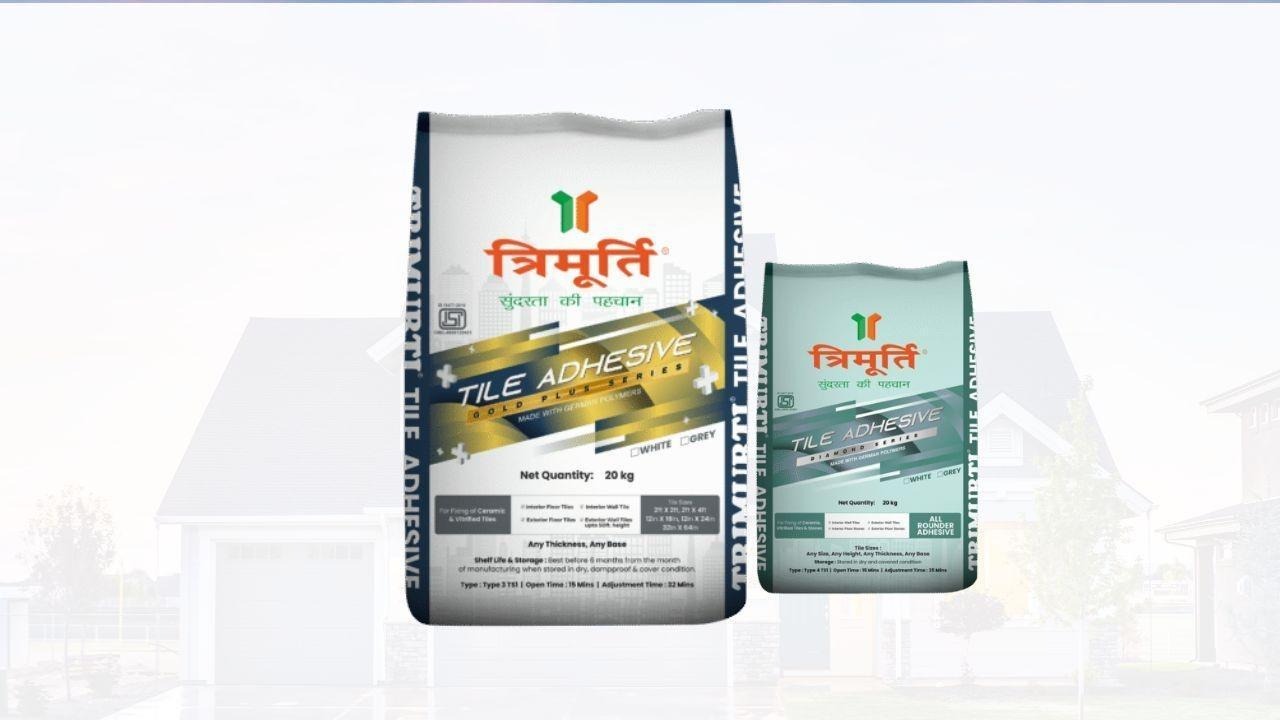
Every construction project tells a story of careful planning, skilled craftsmanship, and thoughtful material selection. While beautifully installed tiles often become the centre of attention, the real success of any tiled surface depends on the invisible layers beneath it. Modern construction has moved beyond traditional cement-based methods, with builders increasingly relying on advanced solutions like tile chemicals to improve bonding strength, durability, and long-term performance.
Today's residential and commercial buildings demand flooring systems that can withstand daily wear, changing temperatures, moisture exposure, and heavy traffic. Meeting these expectations requires more than quality tiles. It requires a complete installation system where every material contributes to structural reliability and visual excellence.
The Shift Towards Smarter Installation Systems
Construction methods have changed significantly over the past decade. Earlier projects relied heavily on conventional techniques that often depended on manual skill alone. While experienced craftsmen achieved good results, consistency remained a challenge.
Modern installation systems combine improved materials with better engineering principles. Instead of depending only on cement mortar, builders now use specially formulated products that provide controlled adhesion, improved flexibility, and stronger support.
This shift has helped reduce installation errors while increasing the lifespan of tiled surfaces. It has also enabled architects to work confidently with larger tiles, thinner profiles, and more sophisticated interior designs that require greater installation precision.
Understanding The Science Behind Bonding
Tile installation is much more than attaching one material to another. It involves creating a bond capable of resisting mechanical pressure, environmental movement, and long-term structural stress.
As buildings naturally expand and contract with changing temperatures, the bonding layer must absorb these movements without losing adhesion. Weak bonding systems often fail because they cannot handle these continuous changes.
Modern construction materials are engineered to distribute pressure evenly beneath each tile. This reduces localized stress points that commonly lead to cracking or hollow sounds after installation. The science behind modern bonding systems has transformed flooring reliability, making installations stronger and more predictable than ever before.
Moisture Management Improves Longevity
Moisture remains one of the biggest threats to tiled surfaces. Water infiltration can gradually weaken bonding layers, damage surrounding finishes, and shorten the overall life of the installation.
Bathrooms, balconies, kitchens, and commercial entrances face continuous moisture exposure throughout their lifespan. These environments require installation systems capable of maintaining performance despite constant environmental challenges.
Reliable chemicals for floor tiles solutions help improve resistance against moisture-related problems by supporting stronger adhesion and reducing the possibility of bond deterioration over time. Managing moisture effectively protects both the visible surface and the hidden structural layers beneath the tiles.
Interior Finishing Supports Better Results
Tile installation should never be viewed as an isolated construction activity. The surrounding wall and ceiling finishes influence both appearance and performance.
Smooth, level surfaces create better alignment during installation and help maintain consistent joint spacing throughout the project. Uneven walls or rough substrates make precision much more difficult to achieve.
Professional construction teams therefore coordinate multiple finishing stages together rather than treating them as separate tasks. This integrated approach produces cleaner transitions, better aesthetics, and stronger overall construction quality. Well-finished interiors also simplify maintenance because surfaces remain easier to clean and retain their appearance for longer periods.
Precision During Installation Matters
Even advanced materials require skilled application to deliver their full potential. Installation precision remains one of the most important factors influencing long-term durability.
Incorrect adhesive thickness, uneven pressure, rushed curing, or inaccurate alignment can all reduce installation quality. Small mistakes made during installation often become major repair issues months or years later.
Experienced professionals follow systematic procedures that ensure every tile receives proper support. Careful spacing, consistent application, and sufficient curing time all contribute to a stronger finished surface. Precision during installation protects both structural integrity and visual consistency.
Material Compatibility Creates Stronger Systems
Every material used in construction interacts with others around it. Compatibility between surfaces, adhesives, finishing materials, and tiles plays a major role in determining overall performance.
Construction professionals evaluate how different materials respond to moisture, temperature changes, and mechanical loads before selecting suitable combinations.
For interior finishing applications, solutions such as Trimurti expert pop help create smoother wall surfaces that complement modern flooring installations by providing consistent backgrounds for decorative finishes. Selecting compatible materials throughout the project reduces the likelihood of future failures caused by conflicting performance characteristics.
Reducing Maintenance Through Better Choices
One of the primary goals of modern construction is minimizing future maintenance without sacrificing appearance or structural performance.
Proper material selection significantly reduces problems such as loose tiles, cracked joints, moisture penetration, and surface discoloration. Durable installation systems remain stable despite years of daily use.
This long-term approach provides value beyond initial construction costs. Buildings require fewer repairs, occupants experience fewer disruptions, and property owners benefit from lower maintenance expenses throughout the building's lifecycle. Investing in quality installation systems ultimately delivers greater reliability and better overall project outcomes.
Future Trends In Tile Installation
The construction industry continues to embrace innovation at every stage of building development. Tile installation materials are becoming more specialized, environmentally responsible, and performance-oriented.
Manufacturers continue improving formulations that provide stronger bonding, faster installation, and better compatibility with modern architectural requirements. Sustainability is also influencing product development through reduced material waste and improved durability.
Future construction projects will increasingly rely on complete installation systems rather than individual products. This integrated approach supports better quality control and more consistent project performance across different environments.
As technology advances, installers will continue benefiting from solutions designed to simplify application while improving long-term reliability.
Conclusion
Modern tile installation depends on much more than selecting attractive flooring. Surface preparation, bonding technology, moisture management, installation precision, and material compatibility all contribute to long-lasting performance.
The use of advanced solutions such as chemical for floor tiles reflects the industry's commitment to stronger, more dependable construction practices. Every carefully selected material strengthens the overall system and improves the durability of the finished surface.
As construction standards continue to evolve, Trimurti Products remains part of this progress by offering solutions that help professionals achieve durable, efficient, and high-quality building finishes.